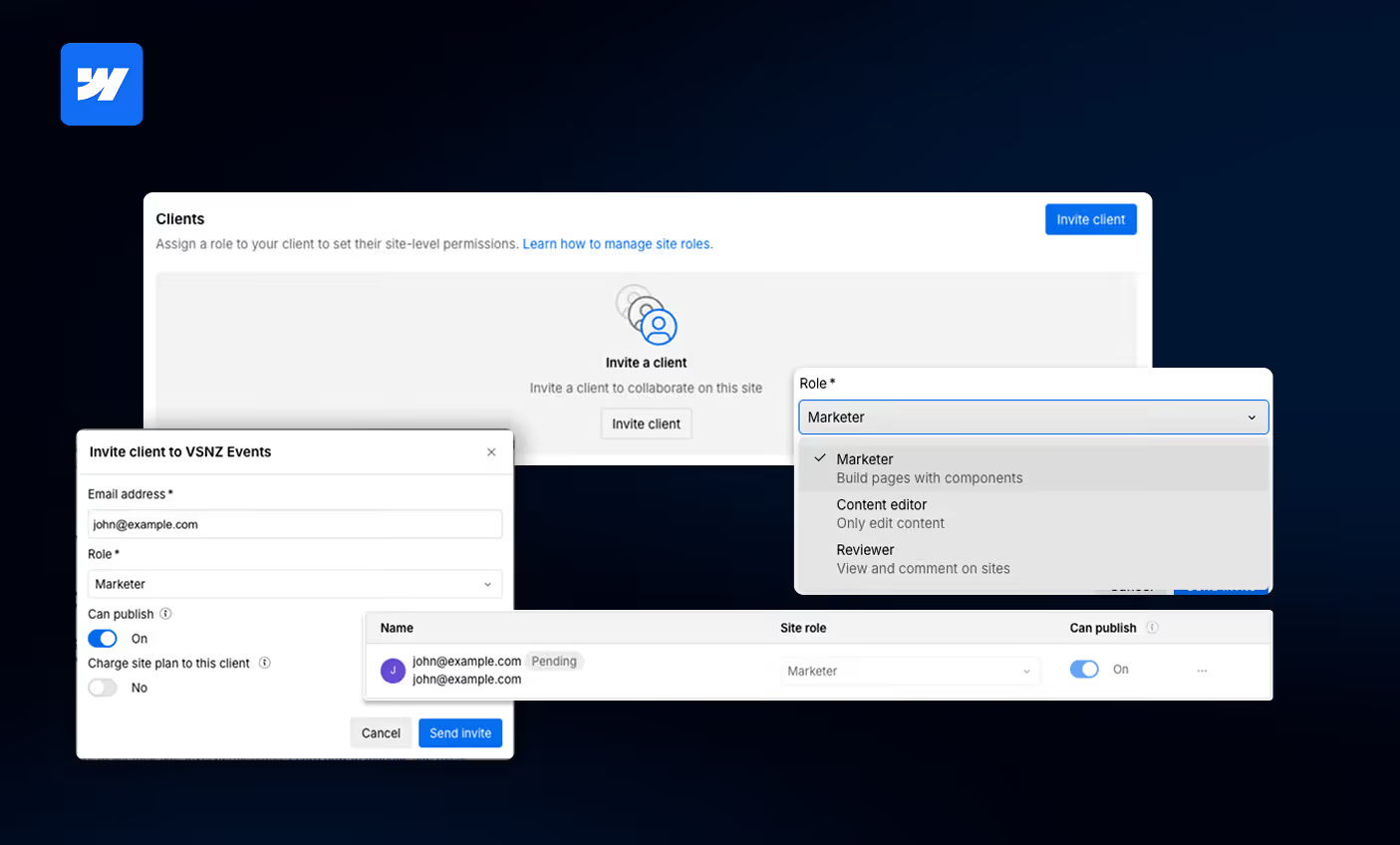
Choosing the right Webflow plan in 2026 is an operational decision that directly impacts website performance, content velocity, and long-term scalability. The pricing architecture consists of three core layers: Site and E-commerce plans (ranging from Basic to Enterprise), Workspace plans for managing team access and permissions (Starter to Enterprise), and usage-based add-ons like localization, API access, and logic runs. Managing total cost of ownership goes beyond the base subscription, requiring teams to carefully track traffic bandwidth, CMS item expansion, and seat licenses, while implementing strict design systems and technical governance to prevent expensive component sprawl. Compared to alternatives, Webflow eliminates the security and plugin maintenance overhead associated with WordPress and the infrastructure burdens of custom code, while offering a superior storytelling canvas for e-commerce brands compared to bulk-inventory platforms like Shopify—though many choose a hybrid setup combining both. Ultimately, a strategic approach involving clean information architecture, deliberate automation, and quarterly cost checkpoints ensures predictable scaling, which Amsterdam-based agency Groove Digital facilitates through specialized diagnostic audits, high-speed migrations, and continuous conversion-rate optimization.