Courtesy Masters
Global hospitality headhunters since 1999, placing senior talent for hotel groups, restaurant brands, private households and family offices.

About this project

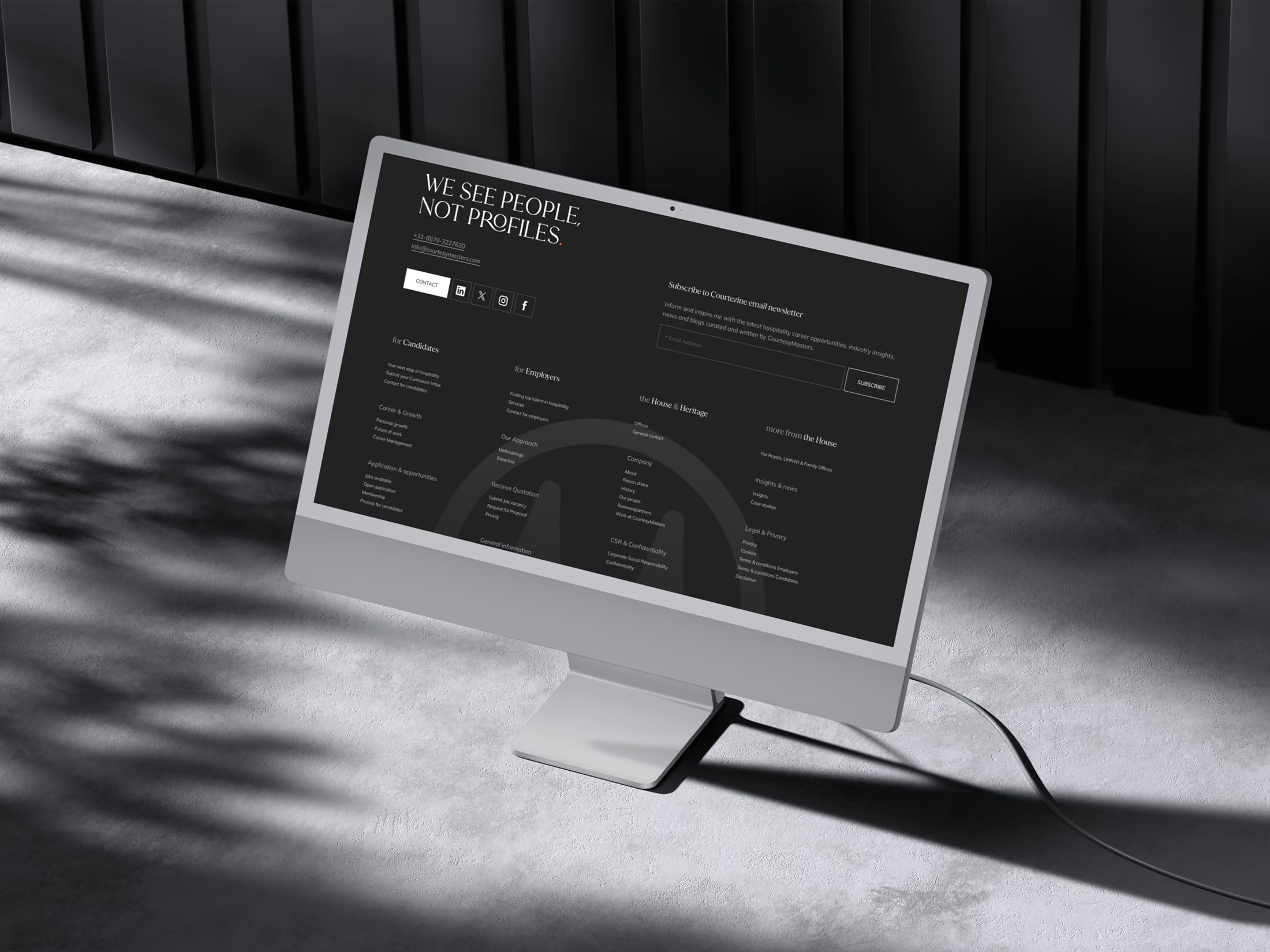
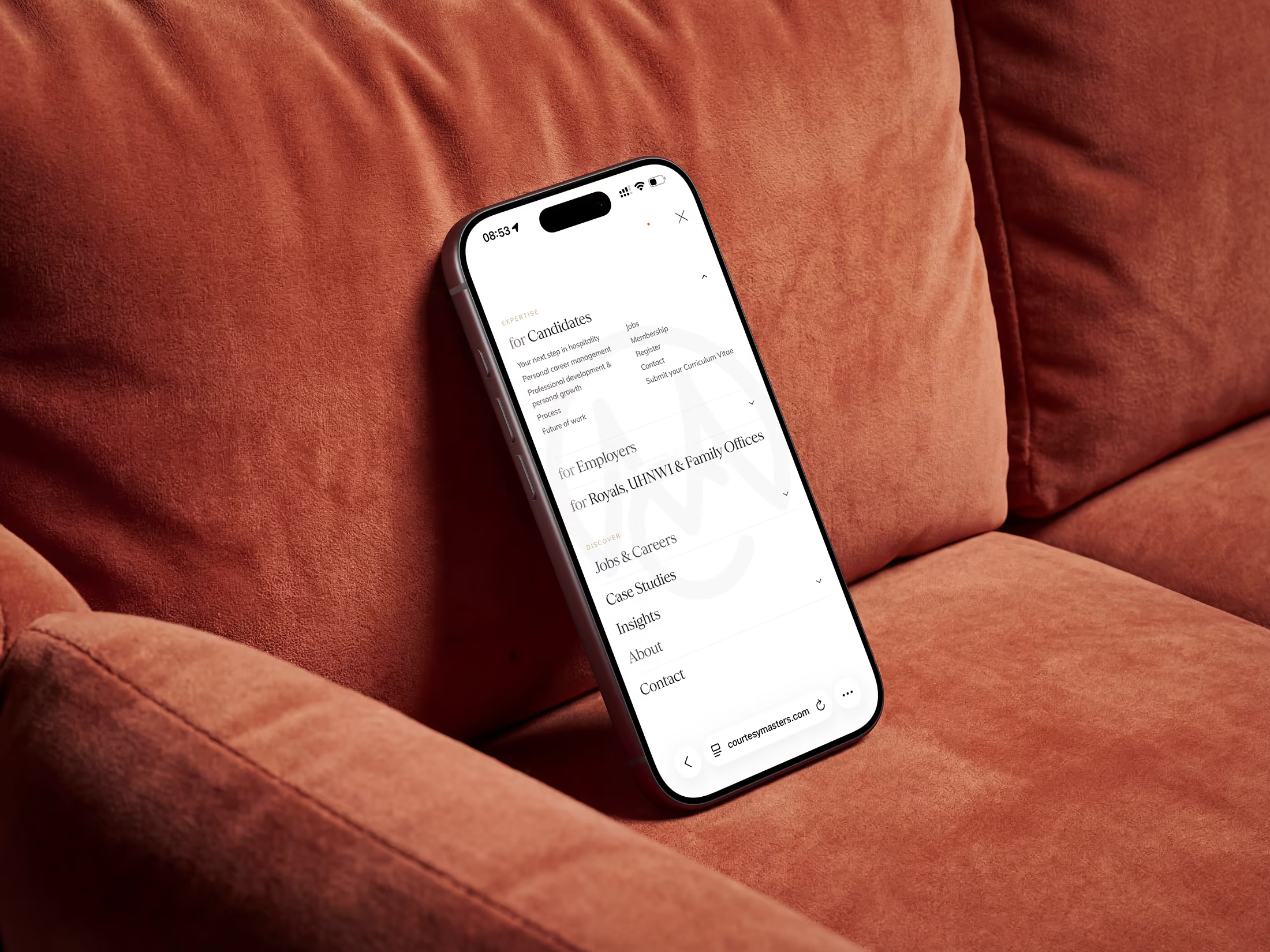
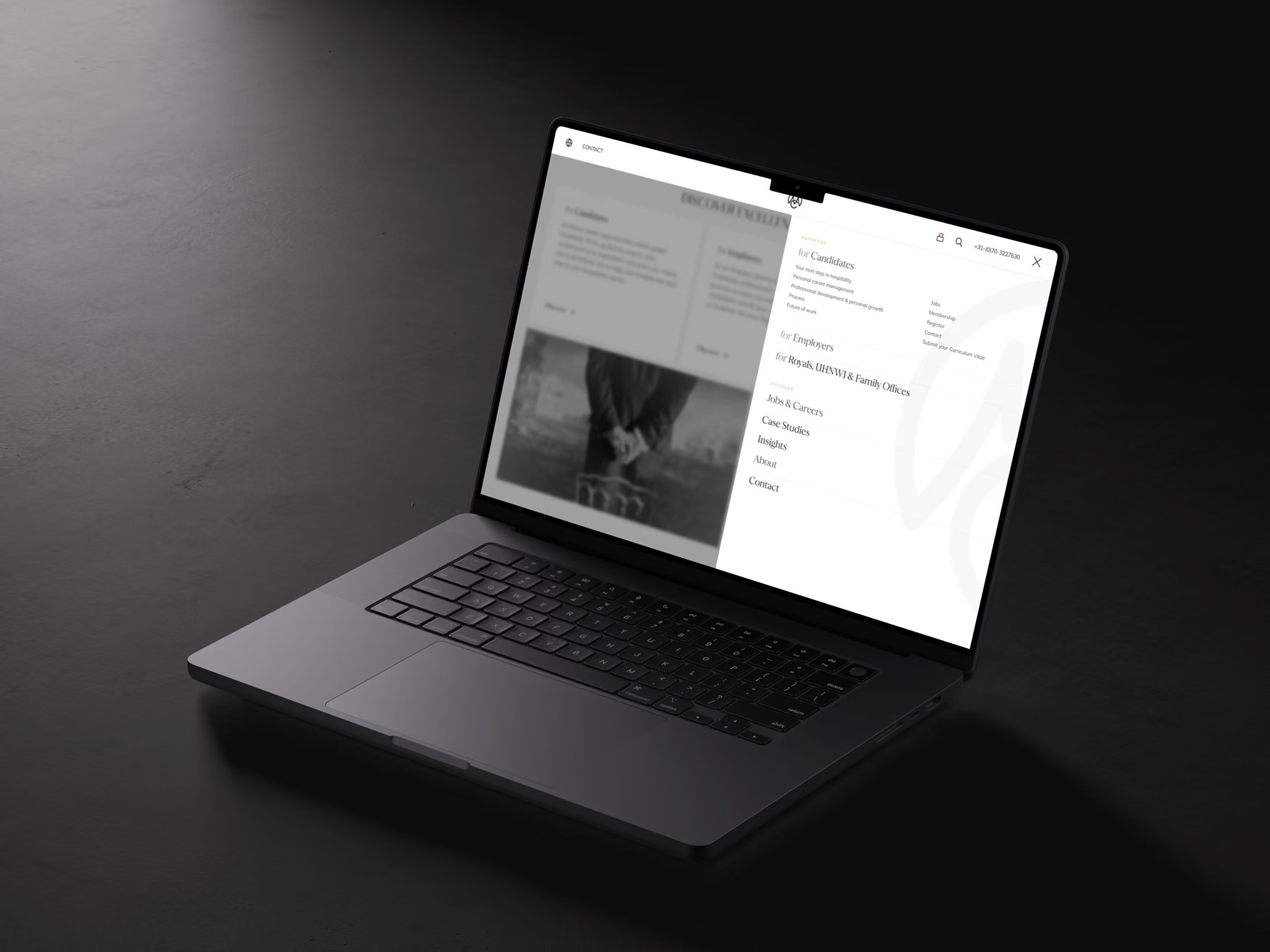
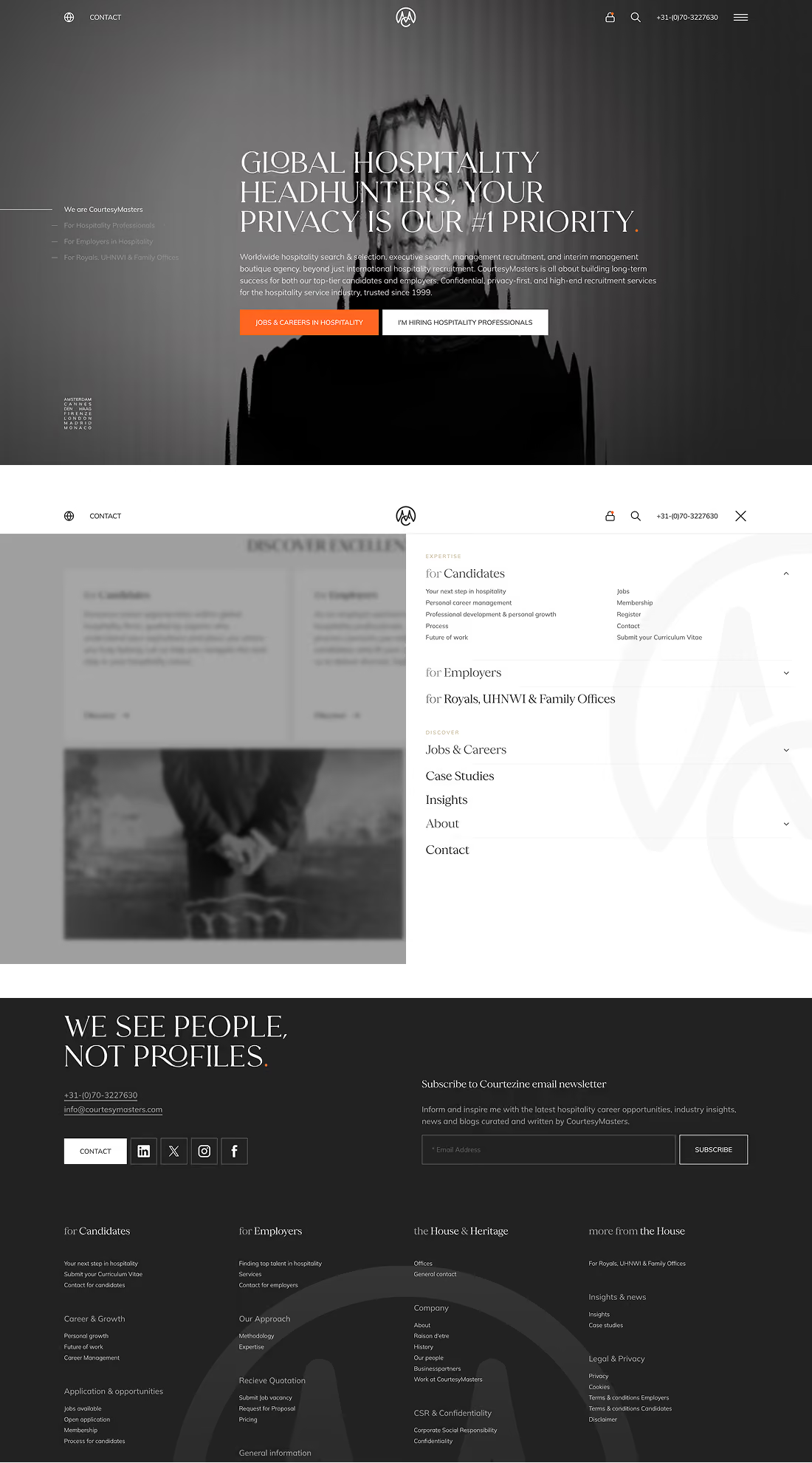
CourtesyMasters had outgrown its Webflow build: inconsistent components, a URL structure they never asked for, and no system underneath any of it. We rebuilt it in a Foundation Sprint against a twelve-point list, and migrated 1,646 URLs on 301 redirects so twenty-six years of search equity came along with it.
Client Introduction
CourtesyMasters has been placing senior talent in hospitality since 1999. Executive search for hotel groups and restaurant brands, and discreet staffing for private households and family offices. Twenty-six years in, across several languages and markets, the thing they actually sell is trust.
Their website was not backing that up. It was carrying an old Webflow build: components that drifted from page to page, styling with no system underneath it, a URL structure nobody at the company had asked for, and legacy scripts still wired in from a previous vendor.
The Challenge
The problem with a build like that is not that it looks dated. It is that it cannot be changed. Every edit risks breaking something two pages away, nothing is reusable, and the people who own the business end up unable to touch their own website without calling someone first.
Underneath that sat a bigger risk. The URL structure needed a full restructure, and CourtesyMasters had twenty-six years of accumulated search equity living on those addresses. Restructure it badly and you throw all of it away in an afternoon.
So the brief was not "make it look better". It was: make this workable, and do it without costing us what we have already earned.
The Approach
We ran it as a Foundation Sprint. One list, twelve points, agreed line by line before any work started, with delivery criteria written down per point in advance. No open ends, no discovery phase that quietly becomes the project.
- Rebuilt on a system. Every class and style renamed into a proper naming convention, and components rebuilt to be maintainable for years rather than patched for now.
- Live working sessions. Sessions of three to four hours with the client in the call, making decisions in real time instead of waiting on rounds of written feedback.
- A full URL restructure on 301 redirects. Every legacy address mapped to its new destination before anything went live.
- A technical SEO foundation. Schema markup and the technical base laid in, so the structure works with their visibility instead of against it.
- An open workspace. A shared Slack channel and an Asana board, so the client could see at any moment what was open, what was done and what was next.
Results & Impact
All twelve scope points delivered.
1,646 URLs migrated on proper 301 redirects. That single number is the case. This was not a cosmetic refresh. It was a full structural rebuild of a site with twenty-six years of history behind it, carried out without dropping the addresses that history lives on.
What the client got back is a site they can actually run. Since delivery, new sections have gone live on top of the sprint's foundation, including a dedicated booking page, a recruitment section and a careers section. That is the real test of foundation work: not how it looks on handover day, but whether the next thing is easy.
The sprint was sold as a one-off. It turned into an ongoing engagement, which is the outcome we would pick every time.
Client Testimonial

A creative, dedicated partner for modern conversion first websites. Groove Digital takes initiative, thinks ahead, and takes ownership of the result instead of waiting for detailed instructions. The team combines technical intelligence with genuinely out-of-the-box thinking, and they bring energy to every conversation. A true partner, and one we would work with again without hesitation. Highly recommended.