Sneaker Request
Sneaker Request finds rare sneakers for a private client list, sourcing most pairs to order and selling the occasional find through a members-only store.
About this project

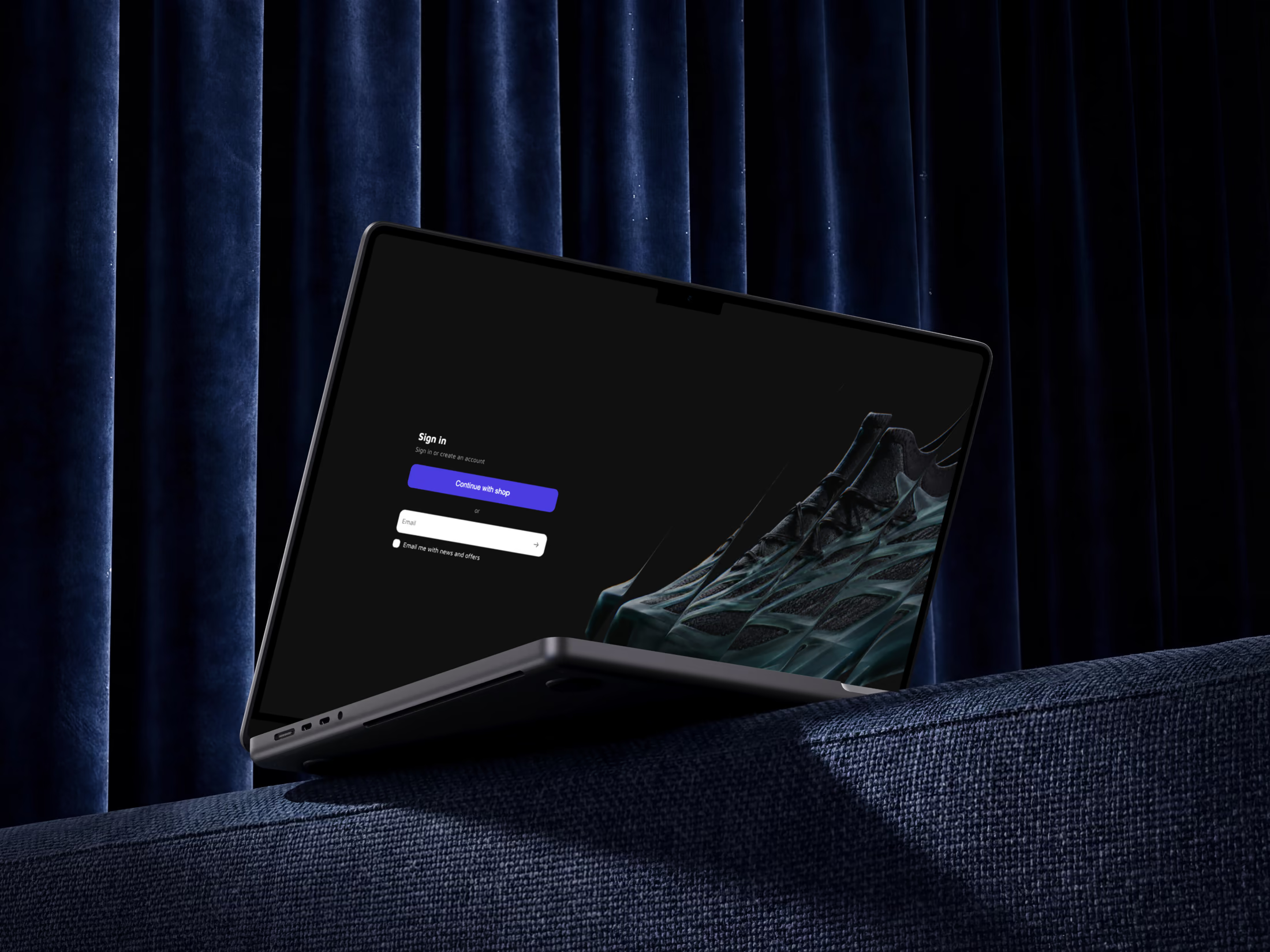
Sneaker Request was selling rare sneakers over payment requests that did not always get paid. We built a Shopify store on a custom theme, put the storefront behind membership, and moved the money onto Shopify payment links with a downloadable invoice behind them.
Client Introduction
Sneaker Request sells rare sneakers to a private list of clients. There is no stock room and no catalogue. Someone says what they are after, Robbert goes and finds it, and the pair arrives. Now and then he picks up something special on his own account and offers it to the people already on the list.
So what is being sold here is not footwear. It is access to someone who can find the pair you cannot.
The Challenge
The selling worked. The admin did not. Payments came in over Tikkie, the Dutch payment-request app, and invoices were written by hand afterwards, and neither of those things knows the other exists.
A payment request is also only a request. Pairs went out and the money did not always come back, because nothing in a Tikkie holds an order open until it is settled. On a business built around rare and expensive sneakers, that risk sat entirely on Robbert.
Underneath sat a second problem. Sneaker Request did not need a webshop. Almost every sale starts with a request, not with browsing, so a full storefront would have been a shop window onto an empty room. But the occasional pair Robbert buys on his own account does need somewhere to live, closed to everyone who is not a member.
So the brief was two things at once: make the money side hold, and build the smallest possible store around a membership.
The Approach
We built it on Shopify with a custom theme, assembled with AI rather than picked off the shelf. That choice did the heavy lifting. A template would have handed us a shop, and this is not a shop, so every screen is the one the business actually needs and there are no others.
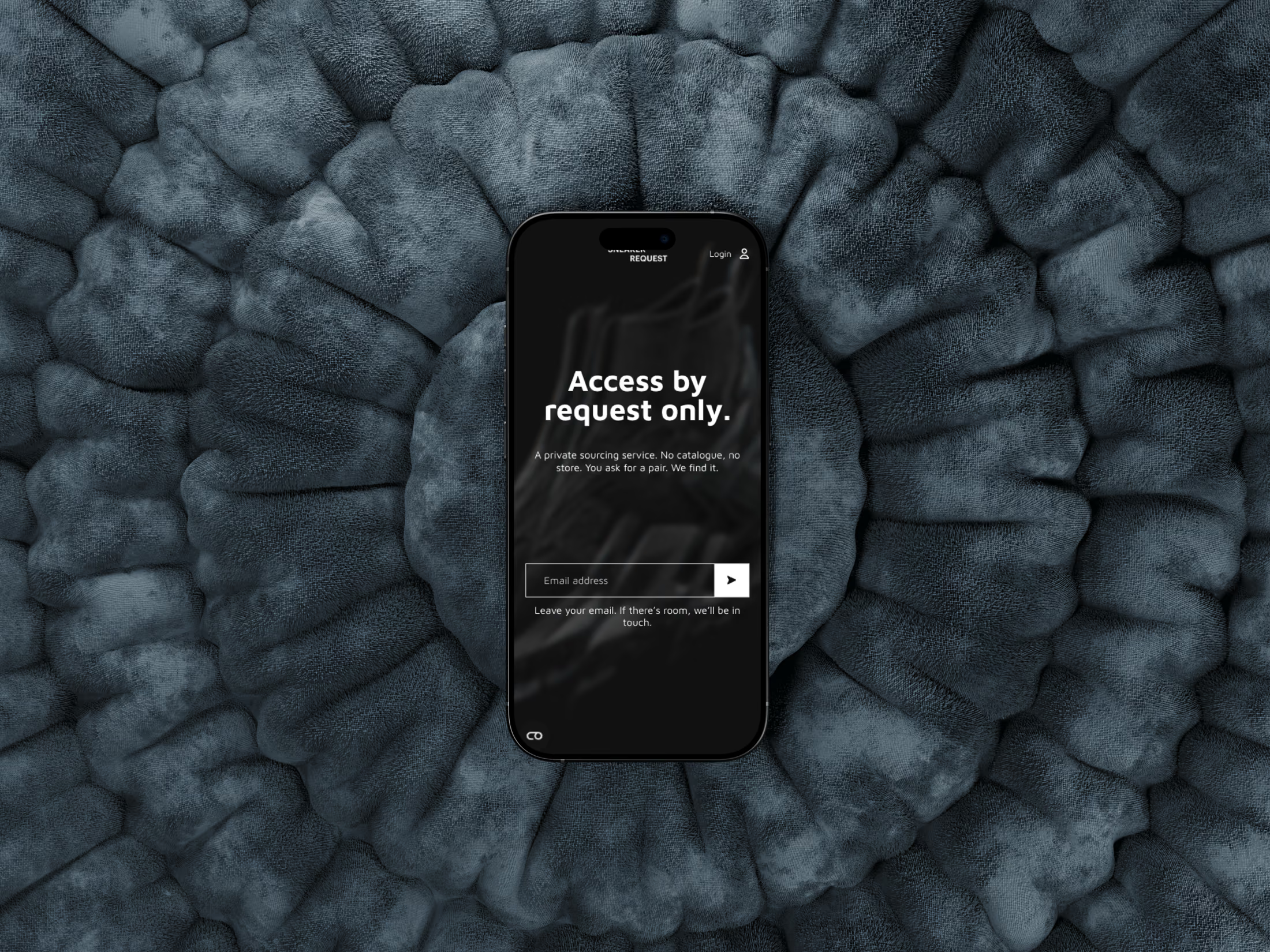
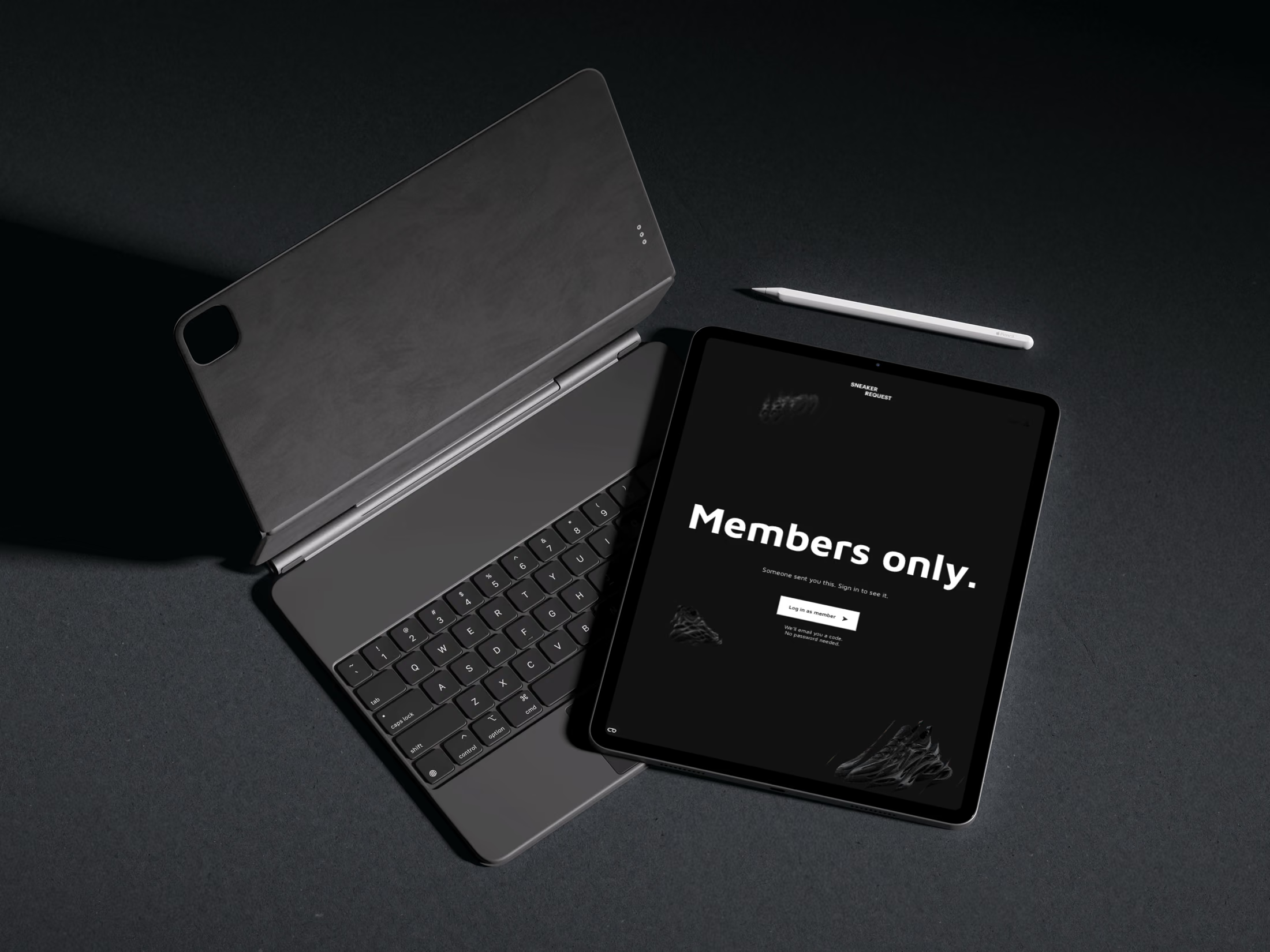
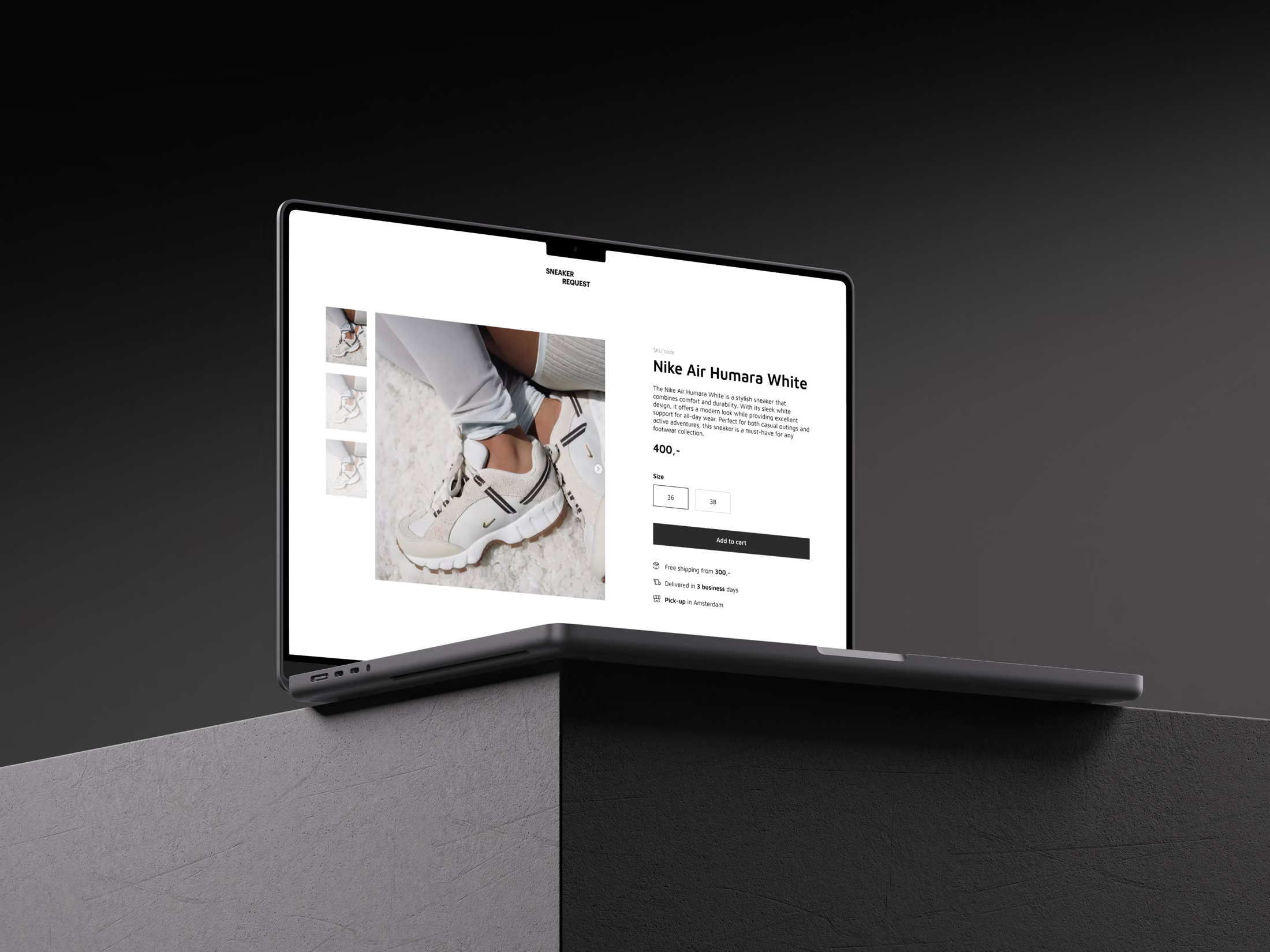
The storefront sits behind membership in full. Anyone who is not a member reaches exactly one page: a homepage built to make the list look worth joining, with a single field to ask for access. Robbert reads every request himself and decides who gets in. Members reach the product page and buy from it directly.
Then the part that started all of this. We set the Shopify admin up around the way Sneaker Request actually sells. For a pair sourced to order, Robbert now builds the order in Shopify and sends the client a payment link, and they check out online like any other purchase. Behind it sits a custom invoice the client downloads as a PDF, with the wording the tax office requires on the orders that fall under the second-hand margin scheme.
Results & Impact
There are no figures to publish. What there is instead is a sale that holds together: the order, the payment link and the invoice are one record now, rather than a Tikkie and a document written afterwards. And a client list with a door on it.
The store is live at sneakerrequest.com. Most of it you will not get to see, which is rather the point.